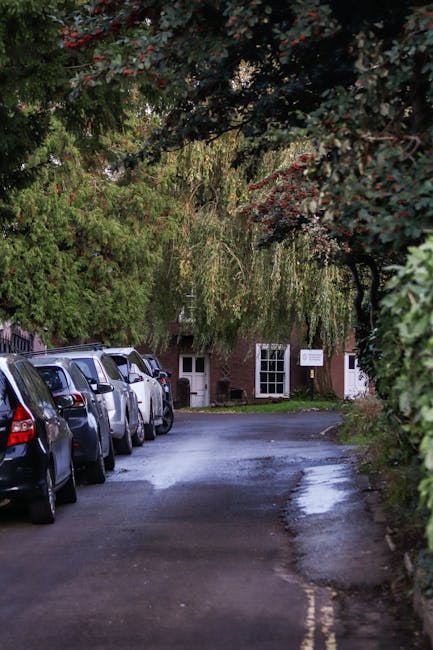
Avoid Parking Clashes on Chelsfield's Narrow Lanes: A Practical Guide for Smoother Moves
Chelsfield has plenty of character, but some of its lanes are tight, awkward, and just a little unforgiving when two vehicles meet at the wrong moment. If you are planning a house move, furniture delivery, or any visit involving a removal van, the simplest-looking job can turn messy fast. Avoid Parking Clashes on Chelsfield's Narrow Lanes is really about more than "finding a space"; it is about timing, access, communication, and keeping everyone moving without stress. And yes, that includes the neighbour who needs to get out for school run time at 8:15.
This guide breaks down how to plan access properly, reduce obstruction, and make narrow-lane moves feel controlled rather than chaotic. You will find practical steps, local-minded advice, a comparison table, a real-world example, and a checklist you can actually use. If you are in the middle of a move, or just trying to avoid that awkward moment when a van blocks half the street, this should help.
Why Avoid Parking Clashes on Chelsfield's Narrow Lanes Matters
Narrow residential lanes create a very specific kind of pressure. There is not much room to turn, little tolerance for poorly timed arrivals, and usually no convenient fallback if a vehicle is left half-on, half-off the kerb. That means one small parking mistake can affect several households, a moving crew, or an entire stretch of road.
To be fair, most parking clashes are not caused by bad intentions. They happen because people underestimate width, forget to check turning space, or assume "it will be fine for ten minutes." Ten minutes has a habit of becoming forty, and then somebody is backing up while another car is waiting at the bend. Not ideal.
For removals, the stakes are even higher. A blocked lane can slow loading, increase handling time, and make it harder to move bulky items safely. If you are already juggling boxes, a mattress, and a neighbour politely waiting in a hatchback, the day becomes more tiring than it needs to be. Good access planning protects everyone's time, patience, and property.
It also helps maintain goodwill. In close-knit parts of Chelsfield, people notice when a move is handled considerately. That matters more than most people think.
How Avoid Parking Clashes on Chelsfield's Narrow Lanes Works
The process is simple in principle, though the details matter. You assess the lane, understand the vehicle size, agree on an arrival window, and plan where loading and unloading will happen. In practice, the best results come from combining local awareness with a few basic moving principles.
Think of it as three layers:
- Access planning - checking whether the road can take the van, whether there is room to pass, and where the vehicle can stop without blocking homes or driveways.
- Timing - choosing an arrival time that avoids school traffic, commuter peaks, and those brief but annoying delivery bottlenecks.
- Communication - telling the household, neighbours, and movers what is happening, so nobody is guessing when the van arrives.
For larger moves, it helps to link parking plans with the rest of the relocation. For example, if you are already organising packing and boxes in Chelsfield, then access planning should happen at the same time, not the morning of the move. The same goes if you are using man with a van in Chelsfield or arranging a fuller service through removal services in Chelsfield.
One small but important detail: narrower lanes are often more sensitive to vehicle positioning than main roads. A van parked a metre too far out can be enough to cause a standoff. It sounds trivial until you are the one trying to get past with a child in the back seat and a bag of shopping on the front seat, all at once.
Key Benefits and Practical Advantages
Good parking coordination delivers more than convenience. It changes the whole rhythm of moving day.
- Fewer delays: when vehicles can stop in the right place, loading and unloading stay efficient.
- Lower stress: everyone knows what to expect, which reduces last-minute confusion.
- Better neighbour relations: considerate parking goes a long way in smaller streets.
- Safer handling: shorter carrying distances mean less strain on people and fewer chances of dropping items.
- Less vehicle shuffling: repeated repositioning is tiring and wastes time.
- Cleaner workflow: crews can focus on the move instead of managing avoidable road issues.
There is also a quieter advantage: calm. A move feels very different when the van parks cleanly, the route in and out is clear, and there is no need to apologise every five minutes. That calm tends to spread. The house feels less frantic, the crew works better, and the day just runs smoother. Simple, really.
If you are dealing with specialist items, parking becomes even more important. A piano, for example, should not be hauled long distances down a lane if there is a better way to stage the vehicle. You can see why piano removals in Chelsfield need careful access planning, and why bulky furniture moves often benefit from dedicated furniture removals support.
Who This Is For and When It Makes Sense
This guidance is useful for anyone whose vehicle may need to stop, wait, load, unload, or turn in a tight residential street. That includes homeowners, tenants, landlords, students, office managers, and anyone using a van or removal crew.
It is especially relevant if you are:
- moving from a terraced property or flat with limited frontage
- handling a same-day or short-notice move
- arranging delivery of heavy furniture or appliances
- moving during school drop-off or commuter periods
- expecting two vehicles to be involved, such as a van and a family car
- working with neighbours who also rely on street parking
Some situations simply need more planning than others. A student moving a few boxes and a desk has different needs from a family shifting a sofa, mattress, and freezer. If the move involves awkward access, it is worth exploring flat removals in Chelsfield, house removals, or even same day removals if timing is tight. Students in particular often need compact, fast-moving solutions like student removals in Chelsfield.
Truth be told, if you are thinking, "It is only a small van, what could go wrong?" that is usually the moment to slow down and check the lane properly.
Step-by-Step Guidance
Use this as a practical planning sequence before the van arrives.
1. Walk the lane yourself
Do not rely on memory alone. Walk the route from the property to the nearest workable stopping point. Look for pinch points, bends, overhanging hedges, parked cars, and places where two vehicles would struggle to pass. Measure visually if you can. Even a quick pace-and-look approach is better than guessing.
2. Decide where the vehicle can safely pause
Choose a stopping point that allows doors to open, items to be carried out safely, and other road users to pass if possible. If the stop will partially affect traffic, keep the loading window as short as you can and make sure everyone involved knows the plan.
3. Match the vehicle to the road
There is a difference between a small van, a medium removal van, and a larger lorry-style vehicle. Narrow lanes are often far better suited to compact or mid-size vehicles. If you are unsure, ask in advance whether the removal van in Chelsfield is the right size for the access available.
4. Arrange a sensible time window
Early mornings can be quieter, but not always. Mid-morning can be easier than school-run time. Late afternoon may be troublesome if commuters are returning. You do not need to overcomplicate it, just avoid obvious congestion periods where possible.
5. Brief everyone involved
Tell the household which entrance will be used, where the van should stop, and who should direct traffic if needed. One person giving clear instructions is better than three people shouting different things from the doorway. It happens. More often than people admit.
6. Keep the exit route clear
Do not stack boxes, trolleys, bins, or loose items where they will narrow the path further. If you are working from a small front garden, porch, or shared entrance, a tidy route makes all the difference. A good pre-move clean-up helps too; there is a useful guide on organised pre-move house cleaning tips.
7. Reassess if conditions change
A car may appear unexpectedly. The weather may worsen. Another resident may need access. If that happens, pause and adjust rather than forcing the plan through. Flexibility keeps a small issue from becoming a real one.
Expert Tips for Better Results
Small decisions tend to create the biggest difference on narrow lanes.
- Use a spotter if visibility is poor. One calm person guiding the vehicle is usually enough, especially when reversing into a tight approach.
- Reduce the number of trips. Fewer vehicle movements mean fewer opportunities for conflict. Smart packing helps here, and a good starting point is proper packing for an organised move.
- Prepare large items separately. Sofas, bed frames, and mattresses should be wrapped and staged before the van arrives. That cuts loading time nicely.
- Use lighter, faster items first. Boxes and soft goods can go in quickly, then heavier items can be managed with a clearer space.
- Keep neighbours informed. A quick note or a friendly chat can prevent irritation. Most people are reasonable when they know what is happening.
- Plan for awkward objects early. Pianos and heavy furniture often need their own access strategy, not the same plan as the boxes.
Another useful habit: think in terms of flow, not just parking. If the van is perfectly parked but the hallway is cluttered, the move still feels messy. If both are planned together, you get that satisfying sense that everything is moving in the right order. Nice when it happens.
For heavier lifting, it is also worth revisiting safe technique. The article on lifting heavy items without assistance is helpful, as is the piece on smart lifting and movement.
Common Mistakes to Avoid
Most parking issues follow the same handful of patterns. Avoiding them is usually easier than fixing them after the fact.
- Assuming the van will fit because "other cars do". A moving vehicle needs much more room than a family hatchback.
- Leaving parking to the last minute. By the time the van arrives, options are limited and stress is higher.
- Blocking a neighbour's access without warning. That is how a small problem becomes a tense conversation.
- Forgetting about turning space. A vehicle may fit on the lane but still be unable to turn safely.
- Overloading the vehicle plan. Trying to do too much in one trip can create unnecessary repositioning.
- Ignoring the loading route. A clear stop is useless if the path from front door to van is cluttered or uneven.
There is also a subtle mistake people make with timing: they focus on the move itself and forget arrival and departure. Yet those are the moments when most parking friction happens. The first stop, and the last pull-away, matter a lot.
If you are moving valuable or awkward household items, storage can help reduce pressure on a tight moving day. A little overflow can be moved elsewhere rather than jammed into one vehicle. That is where storage in Chelsfield may be useful.
Tools, Resources and Recommendations
You do not need a lot of equipment, but a few sensible items make narrow-lane moves safer and calmer.
- Hi-vis vests or bright clothing: useful if someone is guiding the van or managing the front entrance.
- Furniture covers and straps: protect larger items and speed up handling.
- Moving blankets and wrap: especially useful for protecting door frames and narrow corners.
- Tape labels and box markers: help reduce faffing once items are inside the van.
- Phone contact list: keep the mover, household contact, and any neighbour contact details ready.
- Printed move plan: old-fashioned, perhaps, but handy when batteries run low.
Useful planning also means understanding who is doing what. If you are comparing moving support options, it may help to review the wider services overview and the page on removals in Chelsfield before deciding what level of help you actually need.
For people who want a broader overview of how moving assistance works, man and van services in Chelsfield can suit smaller or more flexible moves, while larger household relocations may benefit from house removal support. Different jobs, different tools. Simple as that.
Law, Compliance, Standards, or Best Practice
Parking on narrow lanes is not just a practical issue; it can also touch on road safety, obstruction, and considerate use of shared space. The exact rules vary depending on location and circumstances, so it is sensible to avoid making assumptions about what is permitted. In general, if a vehicle is likely to block access, create danger, or force others into risky manoeuvres, it is worth taking a more cautious approach.
Best practice usually means the following:
- do not obstruct driveways or emergency access
- keep loading times as short as reasonably possible
- communicate with nearby residents if the vehicle will occupy shared space
- use a suitable-sized vehicle for the road conditions
- follow the mover's safety procedures and local parking expectations
If you are working with a professional team, ask how they handle access planning and risk awareness. A reliable operator should be able to explain their process clearly, without sounding vague or brushed-off. If you want reassurance before booking, it is sensible to read about insurance and safety and the company's health and safety policy.
Also, if you are arranging a move near a station or through busier streets, local access planning becomes even more relevant. There is a helpful perspective in moving house near Chelsfield station, especially if your schedule includes on-street loading.
Options, Methods, or Comparison Table
There is no single right answer for every move. The best approach depends on the lane, the size of the vehicle, and how much needs to be carried.
| Method | Best for | Pros | Watch-outs |
|---|---|---|---|
| Front-door parking | Short moves with easy frontage | Fast loading, simple route | Can block access if not timed well |
| Nearby legal stopping point | Very narrow lanes or shared streets | Reduces obstruction, often calmer | Longer carry distance |
| Smaller vehicle | Terraces, flats, compact lanes | Better manoeuvrability | May require more trips |
| Two-stage move | Busy access or heavy items | Flexible, safer for awkward loads | Needs more planning and coordination |
For many Chelsfield moves, a compact vehicle plus a careful loading plan works best. For bigger households, a two-stage approach can feel slower but actually save time overall because it reduces awkward manoeuvres. That is especially true if you are moving large sofas, beds, or a heavier instrument.
If the job is complex, compare your options before the day arrives. A well-planned removal company in Chelsfield should be able to advise whether the access suits a small van, a fuller crew, or additional support.
Case Study or Real-World Example
Here is a realistic example from a typical narrow-lane move. A family was moving from a mid-terrace property with only a small stretch of frontage. The lane was tight enough that two vehicles could not comfortably pass if one was parked awkwardly. They had a sofa, a double bed, several boxes, and a freezer to move. Nothing unusual, but enough to make the access tricky.
Instead of leaving parking decisions until the van arrived, they checked the lane the evening before, identified a safe stopping point, and let the mover know about the limited turning space. They also moved smaller items closer to the door in advance and cleared the hallway properly. The freezer was kept ready for transport, and the bed frame was dismantled before the vehicle came, which made a huge difference.
The result? The van parked once, loading happened in a clean sequence, and no one had to reverse out half a street because somebody "just popped in" with another car. A small win, but in moving terms, a lovely one. The family said the thing they appreciated most was not speed, but the absence of panic. That says a lot.
If you are dealing with bulky furniture or delicate items, it may be helpful to read more about keeping a sofa protected in storage through safe sofa storage tips and about moving beds and mattresses carefully. For heavy or awkward items, planning beats improvising every time.
Practical Checklist
Use this checklist before your move or delivery:
- Confirm the vehicle size is suitable for the lane
- Walk the route from property to stopping point
- Check for bends, parked cars, and turning space
- Decide the best loading and unloading location
- Choose a time window with lower traffic pressure
- Tell neighbours or household members if access may be briefly affected
- Prepare large items before the van arrives
- Keep boxes and pathways clear
- Have a contact number ready for the mover or driver
- Review any relevant safety or insurance information
- Plan a fallback option if the lane becomes blocked
- Keep the move calm and flexible, not rigid
Expert summary: The most effective way to prevent parking clashes on Chelsfield's narrow lanes is to plan the stopping point before the van arrives, match the vehicle to the road, and keep the loading route short, clear, and well-communicated.
Conclusion
Parking clashes on narrow lanes are rarely dramatic because of one huge mistake. More often, they build from a handful of small ones: a late arrival, a vehicle that is too big, a blocked entrance, or a plan nobody quite shared properly. The good news is that all of that is manageable.
If you think ahead, keep the access route realistic, and treat the lane as part of the move rather than an afterthought, the whole day feels lighter. Less waiting, fewer apologies, and far less shuffling of vehicles in a stressed little dance nobody wanted.
For households, landlords, students, and businesses alike, the aim is the same: move efficiently, stay considerate, and keep the street workable for everyone else too. That is how a difficult lane becomes just another part of the job, not the thing that ruins it.
Get a free quote today and see how much you can save.
Frequently Asked Questions
How do I avoid parking problems on a narrow Chelsfield lane?
Check the lane in advance, choose a suitable vehicle size, agree a stopping point, and avoid peak traffic times where possible. Clear communication is often the difference between a smooth job and a frustrating one.
What vehicle size is best for tight residential access?
Usually a smaller or mid-size van is easier to manage on narrow lanes, but it depends on the street layout and the amount being moved. Bigger is not always better.
Should I warn neighbours before moving day?
Yes, especially if the vehicle may briefly affect shared parking or access. A quick heads-up often prevents irritation later.
What if another car is already parked where the van needs to stop?
Have a backup stopping point ready. In tight streets, flexibility matters more than forcing the original plan.
Can parking clashes make a move more expensive?
They can, indirectly. Delays, extra handling, and repeated vehicle repositioning may add time and stress, which is exactly what you want to avoid.
Is it worth using a professional mover for a narrow lane?
Often yes, because experienced movers are used to judging access, vehicle positioning, and loading flow. That can save time and reduce risk.
How early should I plan parking for moving day?
Ideally, plan it as soon as you know the moving date. Waiting until the morning of the move usually makes the day harder than it needs to be.
What should I do if the van cannot turn safely?
Stop and reassess. It may be better to use a different stopping point or a smaller vehicle than to attempt a risky manoeuvre.
Does packing properly help with parking issues?
Yes. Better packing reduces loading time, which means the vehicle is stopped for less time. That helps everyone, especially on narrow lanes.
Are there special considerations for heavy items like pianos or beds?
Absolutely. Heavy or awkward items need more space, better preparation, and usually closer vehicle access. A piano, especially, should be planned carefully.
Can storage help if parking is too tight for a full move in one go?
Yes, temporary storage can make a staged move much easier when access is limited or the vehicle cannot take everything at once.
What if I need to move at short notice?
Short-notice moves are still possible, but you should prioritise access planning first. In a tight lane, good timing matters just as much as speed.