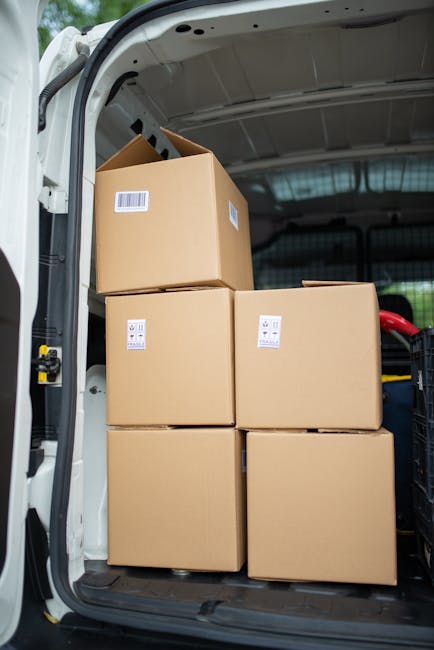
Bromley Council Permits for Chelsfield Van Loading
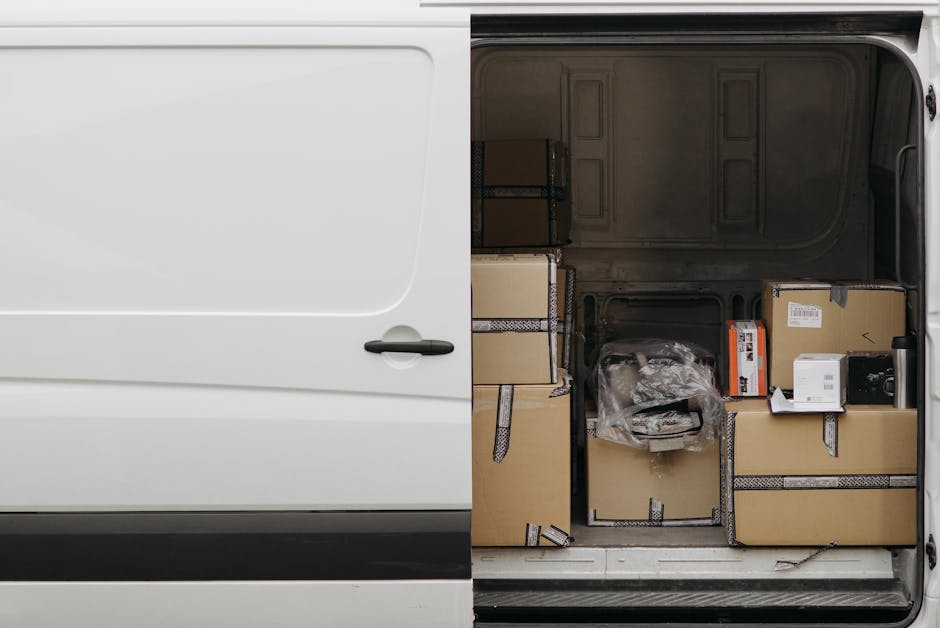
If you are planning a move, a furniture drop-off, or a tight loading job in Chelsfield, parking and access can become the real headache rather than the lifting itself. Bromley Council permits for Chelsfield van loading are part of that picture: they help you understand when a van can stop, how long it can stay, and what to do if the street layout makes a quick load feel anything but quick. In practice, getting the loading plan right saves time, reduces stress, and keeps the day from turning into a row with a neighbour or a parking warden. Let's face it, nobody wants that sort of start to a move.
This guide breaks the topic down in plain English. You will see why loading permits matter, how they usually fit into a local move, who needs to think about them, and what to do step by step before the van even arrives. I'll also cover common mistakes, practical compliance points, and a realistic example from a Chelsfield-style loading job where the streets are narrow, the timing is tight, and one small oversight can throw the whole schedule off.
Why Bromley Council Permits for Chelsfield Van Loading Matters
Loading a van is never just about opening the back doors and getting on with it. In Chelsfield, access can be awkward, junctions can feel tighter than they look on a map, and some roads simply do not forgive poor planning. That is why Bromley Council permits for Chelsfield van loading matter so much: they create a lawful, organised way to stop where you need to stop, for the time you need, without guessing and hoping for the best.
The real issue is not only legality. It is practicality. If a van is parked too far away, every box has to be carried farther. If the vehicle is forced to circle because the loading area is already taken, the job slows down and tempers rise. And if you are moving awkward furniture, a piano, a mattress, or even just a stack of heavy archive boxes, those extra steps add up fast. If you want a sense of the physical side of the job, how to lift heavy items without assistance is worth a read alongside this guide.
There is also the local character of the area to think about. Chelsfield has a mix of residential streets, village approaches, and spots where you really do need to load with care. A permit or loading arrangement is often the difference between a smooth, quiet move and a messy one that blocks traffic or annoys the house next door. In a small community, that matters more than people expect.
Key takeaway: a loading permit is not just paperwork. It is a practical access tool that protects your schedule, your safety, and your relationship with the street.
How Bromley Council Permits for Chelsfield Van Loading Works
Different councils use different terms, but the basic idea is consistent: a permit or loading authorisation tells you when and where a commercial vehicle can stop. In some cases, the permission may be tied to a specific bay or controlled parking area. In others, loading is allowed under certain conditions, such as staying with the vehicle, keeping the stop brief, and loading only while the activity is active.
For Chelsfield jobs, the important point is to treat the permit question as part of the move plan, not an afterthought. A lot of people only think about permits when the van has already been booked, the weather has turned and the sofa is still upstairs. That is the wrong moment. Better to sort the access side early, then build the rest of the day around it.
In general, a loading permit workflow follows this pattern:
- Check the exact loading location and the street conditions.
- Decide whether the van needs a formal permit, an exemption, or simply a lawful loading stop.
- Confirm the vehicle size, timing, and any restrictions that apply to the bay or road.
- Keep the driver with the vehicle where required.
- Load efficiently and remove the vehicle as soon as the job is complete.
If you are not sure whether a route or loading bay will work, look at the move as a sequence rather than a single stop. For example, vans often need to position once, shift a few items, then reposition. That is normal. What matters is that each movement stays within the allowed rules.
A useful way to prepare is to pack intelligently before the van arrives. The article on organised packing for a smoother move fits neatly here, because good packing shortens loading time and reduces the chance that a permit window runs out mid-job.
Key Benefits and Practical Advantages
There are several reasons people bother getting this right beyond simply avoiding a fine. The benefits are genuinely practical.
- Less carrying distance: the closer the van can park to the door, the fewer trips you need.
- Safer handling: short, direct loading routes reduce strain on your back and wrists.
- Better timing: the team can work to a predictable window instead of wasting time searching for parking.
- Fewer disputes: clear permission reduces arguments with residents or passing drivers.
- Lower risk of damage: fewer long carries mean fewer chances to scuff walls, chip furniture, or drop items on a kerb.
In a removal context, those advantages can make the difference between a calm 45-minute load and a frustrating half-day shuffle. That is especially true for bulky furniture or fragile items. A van loading plan that looks small on paper can become a big deal once you are dealing with a heavy wardrobe or a mattress that catches on the stair rail. If that sounds familiar, the guide on moving a bed and mattress safely is a sensible companion read.
There is another advantage that people miss: professionalism. Even if you are just moving a few items, following the local loading process makes the whole job look organised. That matters when the move involves a landlord, building manager, or neighbour who is already watching the clock. You know how it is. A tidy setup tends to calm everyone down.
Who This Is For and When It Makes Sense
This topic is not only for full-house moves. In fact, Bromley Council permits for Chelsfield van loading can matter in lots of everyday situations.
- Homeowners moving out of or into Chelsfield
- Tenants in flats or maisonettes with limited roadside space
- Students moving with mixed-size belongings
- Office teams relocating equipment or archive boxes
- People collecting or delivering bulky furniture
- Removal crews handling same-day loads where timing is tight
It also makes sense whenever the road layout is awkward. Chelsfield has plenty of places where a van cannot simply stop anywhere and expect not to obstruct someone. Narrow approaches, busy school-run times, and roads with limited waiting space can all turn a simple loading job into a planning exercise.
If the move includes awkward access, it is often worth thinking about the rest of the logistics too. For instance, if you are relocating a larger home, moving house near Chelsfield Station with street-level access can give you ideas about timing and approach, while avoiding parking clashes on Chelsfield's narrow lanes is especially useful if the street is already tight.
Sometimes the permit issue only becomes obvious after the first walk-through. A customer may think, "There is loads of room," then the van turns up and the kerb space disappears under parked cars. Truth be told, that happens a lot.
Step-by-Step Guidance
If you want a simple process, use this. It is not flashy, but it works.
- Map the loading point. Stand outside the property and look at where the van would actually stop. Do not rely on a pin on a map.
- Measure the practical access. Check for narrow turns, low branches, parked cars, and anything that could make reversing awkward.
- List the items to be loaded. Heavy, fragile, and oversized items should be noted early so the van size and loading sequence make sense.
- Check whether a permit or loading consent is needed. If the area is controlled or the stopping place is restricted, find that out before moving day.
- Confirm the timing. Some loading windows are short. Build in a buffer for stairs, lifts, and unexpected delays.
- Prepare the items. Dismantle furniture where sensible, protect corners, and keep boxes labelled.
- Load in a logical order. Put the heaviest and least fragile items in first, then build around them.
- Keep the site clear. Avoid blocking pavements, driveways, or access points.
- Leave promptly. As soon as the job is done, move the van on. That is the cleanest way to stay within the rules.
A little side note from experience: the jobs that go best are often the ones where someone has already done the boring bits. Boxes taped up. Furniture wrapped. The route from the front door to the van clear. Nothing glamorous, but it saves an enormous amount of faff.
If your move includes lots of items, decluttering before the move can shrink the loading time, which in turn reduces how much permit pressure you feel on the day.
Expert Tips for Better Results
Here is where the small details matter. They often make a bigger difference than the formal rules.
- Build a loading buffer. If the permit window is one hour, plan as if you only have forty-five minutes.
- Use a front-to-back loading sequence. It reduces rearranging inside the van.
- Protect the route from property to van. Doorframes, paintwork, and corners get hit when everyone is rushing.
- Keep one person focused on access. One person watching doors, traffic, and other pedestrians is worth their weight in gold.
- Match the van to the job. A too-small van means extra trips. Too large and you may make the access problem worse.
- Pre-label the awkward stuff. "Fragile," "do not stack," and "load last" are simple notes that help a lot.
For heavier or awkward pieces, use proper lifting techniques rather than heroic one-offs. Your back will thank you later, and so will the person who has to help you tomorrow. The articles on smart lifting and movement and moving heavy items without help are worth keeping in mind.
And if you are moving specialist items, the access plan should be even tighter. A piano, for example, is a very different conversation from a few boxes. The guide on why relocating a piano alone is more complex than it looks shows how quickly access and loading decisions become critical.
One more small thing: if the weather is wet, loading slows down. Wet steps, slippery paving, and damp cardboard are not your friends. A dry mat near the doorway and a sensible item sequence can save the day.
Common Mistakes to Avoid
Most loading problems come from the same handful of mistakes. The good news is that they are avoidable.
- Leaving permits or parking checks until the day of the move
- Assuming a van can stop anywhere for "just a minute"
- Underestimating the time needed to carry items downstairs
- Forgetting about delivery vehicles, school traffic, or resident parking pressure
- Bringing a van that is too large for the street
- Blocking the pavement or an entrance while loading
- Not protecting fragile furniture before the first lift
Another mistake is treating the move like a single task rather than a sequence. First the route. Then the van position. Then the loading order. Then the exit. If one part slips, the whole job starts to wobble. It is a bit like trying to make tea while the kettle is on the other side of the house - technically possible, but why make life harder?
Packaging also matters. A messy pile of loose belongings takes longer to load and is much harder to secure. If you want your room-to-van process to stay controlled, pre-move cleaning and organisation tips and stress-free move planning ideas help keep the day calmer.
Tools, Resources and Recommendations
You do not need a mountain of kit, but a small set of practical tools makes loading much easier.
- Furniture blankets for protecting edges and polished surfaces
- Ratchet straps to keep items stable inside the van
- Labels and marker pens for quick identification of boxes and priority items
- Tape and wrap for securing doors, drawers, and loose parts
- Gloves with grip for safer handling on awkward items
- Door stoppers to keep access routes open while moving back and forth
- Flat trolleys or sack trucks for heavier items where appropriate
For item-specific planning, a few more pages can help. If you are moving sofas, take a look at safe sofa storage and handling tips. If the move involves appliances, keeping a freezer in good condition when unused is useful because appliances often need to be isolated, cleaned, and prepared well before loading.
For bigger home moves, it also helps to think about the wider process. Furniture removals in Chelsfield, packing and boxes in Chelsfield, and storage in Chelsfield are all relevant if your loading job is part of a larger relocation.
Law, Compliance, Standards, or Best Practice
Because this topic touches parking, road use, and moving vehicles in public space, it is sensible to treat it as a compliance issue rather than a casual parking choice. The exact rules can vary depending on the street, the type of restriction, and the vehicle activity. So the safest approach is to check the local conditions carefully and plan around them, rather than assuming loading is automatically allowed everywhere.
Best practice usually means:
- only stopping where loading is permitted or clearly tolerated for active loading
- keeping the vehicle attended where required
- avoiding obstruction to traffic, driveways, crossings, or pedestrians
- loading efficiently so the stop is as short as possible
- making sure the vehicle size is suitable for the street
There is also a basic duty of care angle. If you are moving heavy items, you should take reasonable steps to protect people and property during the process. That includes using sensible lifting methods, good packing, and clear access. For general moving standards, the company's health and safety approach, insurance and safety information, and terms and conditions are all part of what a responsible move provider should make clear.
If you are comparing support levels, a professional man with a van in Chelsfield or a broader removal service in Chelsfield can be more practical than trying to manage every access detail alone. Sometimes that is simply the wiser call.
Options, Methods, or Comparison Table
There is more than one way to handle van loading, and the best option depends on the street, the volume of items, and the time available. Here is a straightforward comparison.
| Method | Best for | Pros | Watch out for |
|---|---|---|---|
| Formal permit or controlled loading arrangement | Restricted streets and tight access areas | Clearer legal footing, easier planning, less stress | Needs advance checking and timing discipline |
| Short active loading stop | Quick pick-ups and drop-offs | Fast, simple, usually low disruption | Only works if the stop is genuinely brief and compliant |
| Private driveway or off-street loading | Homes with suitable access | Most convenient, least conflict with traffic | Not always available; may still need careful manoeuvring |
| Shuttle loading from a distant space | Very restricted roads | Useful fallback when a van cannot stop nearby | More labour, more time, more wear on the team |
In everyday terms, off-street loading is easiest, active kerbside loading is common, and permit-backed loading is the neatest option where restrictions are strict. Shuttle loading is the backup plan. Not glamorous, but sometimes it is the only sane plan.
Case Study or Real-World Example
Here is a realistic example based on the kind of job people often face in Chelsfield. A family is moving from a property with a short front approach and limited roadside room. They have a sofa, a double bed, several boxes of books, a freezer, and two awkward storage units. The road outside has resident parking pressure, and the available loading gap looks fine at 8am but gets busy very quickly after that.
Instead of leaving it to chance, the team checks the access first, confirms the loading position, packs the smaller items in advance, and keeps the heavier furniture ready by the door. The van arrives on time, the driver stays with the vehicle, and the loading sequence is planned so the sofa and bed go in first, followed by the boxes and the freezer. The whole job is finished before the street gets congested.
What made the difference? Not luck. Planning.
And one slightly boring but important detail: they did not wait until the last minute to decide how the van would stop. That alone saved a lot of hassle. If the move includes wider route planning in the village, you might also find best van routes through Chelsfield village and estate move tips near the station approach useful.
Practical Checklist
Use this quick checklist before loading day.
- Confirm the exact loading address and street conditions
- Check whether the van needs a permit, exemption, or timed loading arrangement
- Choose a van size that suits the street and the volume of items
- Pack and label boxes before moving day
- Wrap furniture and protect fragile surfaces
- Prepare heavy items for safe lifting and carrying
- Plan the order of loading, from heaviest to most delicate
- Leave a clear route from the property to the van
- Assign one person to watch access, traffic, and timing
- Remove the van promptly once loading is complete
Practical summary: if you plan the access, prepare the items, and keep the loading window tight, Bromley Council permits for Chelsfield van loading become much less intimidating. The process stops feeling like red tape and starts feeling like what it really is: a way to keep a move orderly and fair for everyone on the street.
Conclusion
Bromley Council permits for Chelsfield van loading are not just about parking rules. They are about making a move work in a real place, with real streets, real neighbours, and very limited time. When you handle the access side properly, everything else becomes easier: the lifting, the packing, the timing, even the mood on the day.
If you are moving soon, start with the loading plan before you start with the boxes. That one decision often separates a smooth move from a scrambled one. And if you need a more organised approach, a little support can go a long way. You do not need to do it the hard way just because it feels familiar.
Get a free quote today and see how much you can save.
Frequently Asked Questions
Do I always need a permit for van loading in Chelsfield?
Not always. It depends on the exact street, the restriction type, the vehicle, and how long the van needs to stop. Some loading situations are allowed without a formal permit, while others need advance approval or a controlled arrangement.
How far in advance should I check loading rules?
As early as possible. Ideally, check while you are still planning the move rather than on the day. That gives you time to adjust the van size, booking time, or loading sequence if access is tighter than expected.
Can a van stop "just for a few minutes"?
Sometimes yes, but only if the street conditions and rules allow it. The phrase "just a few minutes" is where people get into trouble, because loading rules usually depend on active loading, no obstruction, and sensible timing rather than casual stopping.
What if the street is too narrow for normal parking?
Then you need to plan more carefully. A smaller van, a different loading point, or a shuttle-style approach may be necessary. Narrow streets are common reasons a loading plan needs to be adjusted.
Is loading permission different from parking permission?
Yes, often it is. Loading is usually treated as a specific activity, not the same thing as leaving a vehicle parked. That distinction matters, because some areas allow loading but not waiting.
Will a permit solve all access problems?
No. A permit helps with legality and planning, but it does not remove physical limits like tight turns, low branches, steep drives, or too many parked cars. You still need a realistic access check.
What should I do if I have bulky furniture?
Measure and prepare it early. Bulky furniture can slow loading down and increase the risk of damage. If needed, dismantle it and protect the parts. The sofa, bed, or wardrobe should be ready before the van arrives, not halfway through the window.
Can I load from a driveway instead of the road?
Yes, if the driveway is suitable and safe. Off-street loading is often the easiest option. Just make sure there is enough room for manoeuvring and that the route to the van is clear.
What is the biggest mistake people make with van loading permits?
Leaving it too late. People often focus on boxes and forget the access side until the move is almost here. That is usually when stress, delays, and avoidable costs start creeping in.
How do I make loading faster?
Pack early, label clearly, place heavy items near the exit, protect fragile items in advance, and keep the route clear. Good packing and good access planning do more for speed than people realise.
Should I hire help if the access looks awkward?
Usually, yes. If stairs, distance, or road restrictions make the job complicated, professional help can reduce risk and save time. It is often cheaper than dealing with delays, damage, or a failed loading attempt.
What if I am moving from a flat or top floor?
Then access planning becomes even more important. The loading window can disappear quickly if every item has to be carried down several flights. In that case, a more organised removal plan is a smart move, not an overreaction.