Moving Out of BR6: A Chelsfield Street-by-Street Plan
Moving home is never just a checklist on paper. In BR6, and especially around Chelsfield, it can turn into a mix of narrow lanes, awkward parking, school-time traffic, older properties with tight staircases, and the usual moving-day nerves. That is exactly why Moving Out of BR6: A Chelsfield Street-by-Street Plan is worth doing properly. It gives you a calmer, more practical way to think about your move street by street, property type by property type, and job by job.
If you are trying to leave BR6 without the last-minute scramble, this guide walks through what matters, how to plan it, and where the common traps are. You will also find useful links to packing, lifting, furniture handling, and service options that can make the whole thing feel less like a gamble. Truth be told, most stressful moves are not caused by one big problem. They are caused by five small ones arriving at once.
By the end, you should have a clear sense of what to do next, whether you are moving from a terrace near the village, a flat off the main routes, or a house that has somehow collected more furniture than you remembered owning.
Table of Contents
- Why Moving Out of BR6: A Chelsfield Street-by-Street Plan Matters
- How Moving Out of BR6: A Chelsfield Street-by-Street Plan Works
- Key Benefits and Practical Advantages
- Who This Is For and When It Makes Sense
- Step-by-Step Guidance
- Expert Tips for Better Results
- Common Mistakes to Avoid
- Tools, Resources and Recommendations
- Law, Compliance, Standards, or Best Practice
- Options, Methods, or Comparison Table
- Case Study or Real-World Example
- Practical Checklist
- Conclusion
- Frequently Asked Questions
Why Moving Out of BR6: A Chelsfield Street-by-Street Plan Matters
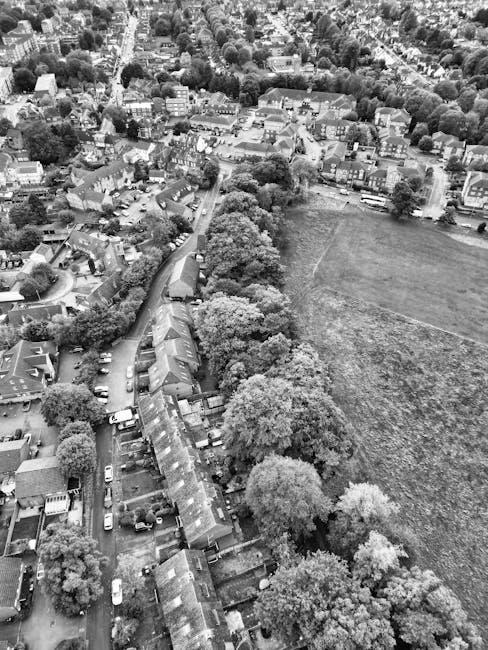
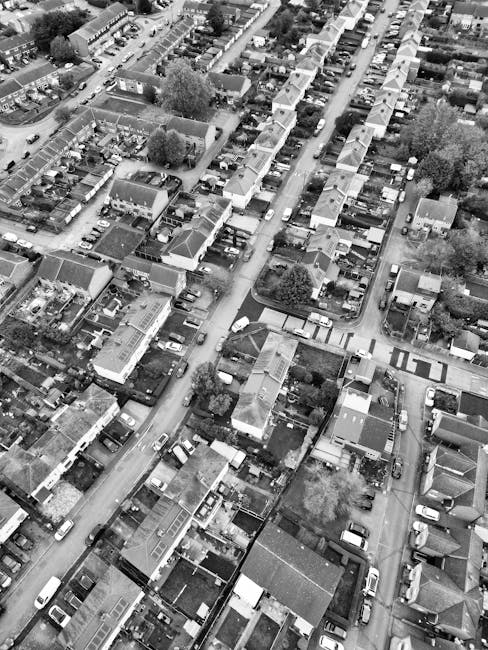
A move in Chelsfield is rarely a simple "load the van and go" job. Streets vary a lot. Some have easy vehicle access and room to manoeuvre, while others are more cramped, with parked cars, bends, shared driveways, or limited turning space. If you are moving out of BR6, those small details matter because they affect timing, loading order, van size, and how many people you need on hand.
A street-by-street plan matters because it helps you work backwards from the real conditions outside your front door. Not every property needs the same approach. A top-floor flat near a busier road will need a different plan to a ground-floor house with a driveway. A piano move is a different beast again. If you want a sense of the practical side of furniture handling, have a look at furniture removals in Chelsfield and, for heavier pieces, the advice on lifting heavy items safely.
There is also the local rhythm to think about. School runs, commuter traffic, weekend market traffic in nearby areas, and the "everyone seems to be out with a wheelie bin at once" effect can all slow the day down. Even the best moving schedule can go sideways if the van cannot park close enough to the property. That is why planning around access is not a luxury. It is the move.
Expert summary: A good BR6 moving plan should not start with boxes. It should start with access, parking, property layout, and the items that are awkward, fragile, or heavy.
How Moving Out of BR6: A Chelsfield Street-by-Street Plan Works
The idea is simple: break the area into manageable pockets and plan each move based on the conditions at that exact address or street. That usually means looking at the access route, the size of the load, whether stairs are involved, whether parking is likely to be tight, and whether any items need special handling.
In practical terms, the plan works in four layers.
1. Street access
Check where a van can stop, how long loading is likely to take, and whether the path from front door to vehicle is clear. A short walk can be the difference between a tidy, efficient move and an exhausting one. You do not want a sofa or bed frame carried twice because the van is parked too far away. That sounds obvious, but on moving day obvious things disappear fast.
2. Property type
Flats, maisonettes, family houses, and office spaces all come with different challenges. If you are relocating from a flat, flat removals in Chelsfield are usually worth planning with a tighter timeline and a careful lift strategy. For bigger homes, house removals in Chelsfield are often about volume, furniture protection, and room-by-room sequencing.
3. Item sensitivity
Some belongings can be packed and moved quickly. Others need more thought. Sofas, mattresses, and freezers all deserve a bit of advance prep. If you are storing furniture before settling in, the guide on safe sofa storage is useful. For appliances, keeping a freezer in good condition when unused covers the basics in plain English.
4. Move timing
The best route out of BR6 is not always the shortest route. Sometimes it is the route that avoids the worst traffic, gives you more parking flexibility, or keeps your arrival time within the building's access window. If you have to hand keys back, meet estate agents, or coordinate with a second property, timing becomes a real puzzle. Not impossible, just fiddly.
For people who want a more structured move, a good starting point is proper packing for an organised move. Packing well is what makes the street-by-street plan actually work in the real world.
Key Benefits and Practical Advantages
A street-by-street approach is not just more organised. It usually saves time, cuts stress, and helps protect your belongings. It can also prevent the kind of small moving-day mistakes that lead to damage, delays, or awkward phone calls.
| Benefit | What it means in practice | Why it matters |
|---|---|---|
| Better access planning | You know where the van can stop and how far items need to travel | Less wasted time and fewer carry risks |
| Safer handling | Awkward items are identified early | Reduces damage and injury risk |
| Clearer scheduling | Each address is planned around its own constraints | Helps avoid move-day bottlenecks |
| Lower stress | You are not making decisions under pressure | Moving feels more manageable |
| Better cost control | The right van, packing, and labour are used from the start | Fewer surprises and less rework |
There is a hidden benefit too. Once you see the move as a sequence of smaller jobs, it becomes easier to delegate. One person handles keys and access. Another handles fragile items. Another checks the kitchen. It sounds neat because it is neat. In practice, it usually saves a lot of back-and-forth on the day.
If your move involves a sofa, dining set, or wardrobes, a local removal van in Chelsfield can be a sensible fit for compact or medium-sized loads. If you need a broader service setup, browse the services overview to see how different moving needs are typically covered.
Who This Is For and When It Makes Sense
This plan is useful for almost anyone leaving BR6, but it is especially helpful in a few common situations.
- Families moving from larger homes and trying to coordinate multiple rooms at once.
- Flat movers dealing with stairs, lifts, entry codes, or limited parking.
- Students or first-time movers who need a simpler, lower-stress plan.
- People with bulky furniture like beds, wardrobes, or corner sofas.
- Anyone on a tight schedule who cannot afford delays or last-minute confusion.
- Businesses or home workers moving an office setup, desk equipment, or files.
It also makes sense when you are splitting the move into stages. Maybe you are not taking everything at once. Maybe the new place is not ready, or you need temporary storage. In those situations, a plan with a clear sequence matters even more. If you need extra space, storage in Chelsfield can bridge the gap, and the article on stress-free moving has some solid practical ideas too.
Sometimes people assume a short local move will be easy. It might be. But it can also be the most frustrating kind because everyone underestimates it. Funny thing, that. A two-mile move can eat an entire day if the planning is off.
Step-by-Step Guidance
Here is a practical way to build your Chelsfield move plan without making it overly complicated. Keep it honest. Keep it specific.
Step 1: Walk the route from door to van
Do this before packing if possible. Notice steps, gates, corners, low ceilings, narrow halls, shared drives, and anything that could slow a carry. A hand trolley is helpful, but only if the route can actually take it.
Step 2: Sort items by difficulty
Put your belongings into four groups: easy, fragile, heavy, and awkward. That gives you a far clearer moving order. Heavy items should not be left until the end, when everyone is tired and someone mutters, "It'll be fine," which is usually the moment it stops being fine.
Step 3: Declutter before you pack
Do not move clutter just because it happens to be yours. That is not a strategy. It is a tax on your future self. Use the advice in decluttering wisely before a move and be realistic. If something has been sitting in a cupboard for years, the new house probably does not need it.
Step 4: Use proper packing materials
Boxes, tape, labels, wrapping paper, mattress covers, and protective blankets all help. The article on packing and boxes in Chelsfield is a sensible place to start if you want to avoid last-minute supermarket-box improvisation. That sort of improvisation looks clever until it splits on the stairs.
Step 5: Prepare the bulky items separately
Mattresses, sofas, and pianos need special attention. For beds, important bed and mattress moving considerations is worth a read before you disassemble anything. For musical instruments, the article on relocating a piano alone explains why this is rarely a solo job.
Step 6: Label rooms, not just boxes
Write the destination room on each box, not just the contents. "Books" tells you what's inside. "Study books" tells you where it goes. That small difference matters after a long day and a takeaway dinner that has gone a bit cold.
Step 7: Build a loading order
Load in the order you will need things at the other end. Essentials last, awkward items first, and fragile items where they can be secured properly. If you need help moving without strain, the guide on smart lifting and kinetic movement gives a safer way to think about body mechanics.
Step 8: Keep an essentials bag handy
Put kettle, snacks, chargers, toilet paper, basic tools, medication, and documents in one bag. You do not want to unpack six boxes just to find the phone charger. Nobody wants that. Nobody.
Expert Tips for Better Results
A few small decisions can make the day significantly smoother.
- Measure first, move second. Doorways, stair turns, and furniture dimensions should be checked before the van arrives.
- Protect corners and floors. A moving blanket or simple edge protection can save a lot of scuffs, especially in older properties.
- Keep one person "unpacking blind". In other words, let one person work from labels and room notes without trying to overthink every box.
- Use colour coding if the home is busy. It sounds slightly over the top, but it works well for family moves.
- Take photos before dismantling furniture. That is especially useful for beds, desks, and anything with screws you will later swear were "definitely in the bag".
If you are moving valuable or awkward furniture, it can be worth using a dedicated local service rather than improvising with friends and a rented van. For example, the team pages for man with a van in Chelsfield and man and van Chelsfield can help match the scale of the job to the right kind of support.
One small but important habit: keep a pen, tape, and a knife in your pocket. Not in a box. In your pocket. You will use them more than you expect.
Common Mistakes to Avoid
Most moving problems are avoidable. They just need a bit of attention before the day gets away from you.
- Underestimating access. A van that seems "fine" on paper can become awkward very quickly if the parking space is wrong.
- Packing too late. Late packing leads to poor labelling, breakages, and missing essentials.
- Leaving heavy items until the end. This is when fatigue meets poor technique, and that is not a great pairing.
- Ignoring appliance prep. Freezers, fridges, and washing machines need time and proper handling. If a freezer is being stored or left unplugged, review how to keep a freezer in good condition when unused.
- Forgetting about disposal and recycling. If you are replacing items, plan where the old ones will go. The site's recycling and sustainability page is useful for understanding the cleaner approach.
- Not checking service coverage. Some moves need special handling, and some need speed. The option for same day removals in Chelsfield can be relevant where timing has become tight.
Another common slip is assuming everything will "just fit" if packed hard enough. In real life, cramming too much into a van creates damage risk and slows unloading. Better to leave a little breathing space than to play moving-day Tetris with a wardrobe. That game rarely ends well.
Tools, Resources and Recommendations
You do not need a warehouse full of gear to move well, but a few things make a huge difference.
Useful tools
- Strong cardboard boxes in mixed sizes
- Packing tape and dispenser
- Permanent marker labels
- Furniture blankets or quilted covers
- Mattress covers
- Ratchet straps or tie-downs for van loading
- Dolly or sack truck for heavier items
- Basic toolkit for dismantling furniture
Useful resources
The packing guide on organised packing is a good companion read if you want a cleaner room-by-room system. If you are moving business equipment or a home office, look at office removals in Chelsfield so you can think about files, devices, and downtime rather than just boxes.
For customers weighing up service levels, the practical pages on removals in Chelsfield and removal services in Chelsfield can help you compare what kind of assistance fits the move. And if you want a background view of the company before booking, about us gives a useful starting point.
There is also a quiet, practical value in checking policies and service details before move day. Not glamorous, no. But important. The pages on insurance and safety, health and safety policy, and terms and conditions can help you understand what to expect.
Law, Compliance, Standards, or Best Practice
For most household moves, the main compliance points are practical rather than legalistic: safe lifting, safe loading, clear communication, and careful handling of property. If a move involves shared access, estate rules, or parking considerations, it is wise to check local requirements in advance rather than assume it will be fine on the day.
From a best-practice perspective, professional movers should work in a way that protects people and property. That means sensible handling methods, appropriate equipment, and clear insurance arrangements. It is also reasonable to ask how fragile items are protected, how claims or concerns are handled, and what the booking terms include.
If accessibility matters to you, or someone in your household, the accessibility statement is worth reading. And if you are comparing providers, the removal companies in Chelsfield page can help frame the kind of service standards to look for.
One more sensible note: if you are moving items that are unusually heavy, fragile, or valuable, it is better to say so early. That is not oversharing. That is useful information. Small adjustment, big payoff.
Options, Methods, or Comparison Table
Different moves need different approaches. A street-by-street plan helps you decide which one fits before the pressure builds.
| Method | Best for | Pros | Trade-offs |
|---|---|---|---|
| DIY move with hired van | Small loads, flexible timing | Lower upfront cost, full control | More physical work, more planning required |
| Man and van service | Medium-sized home moves, local relocations | Flexible, practical, often quicker to arrange | May not suit very large or complex moves |
| Full house removal support | Larger properties, mixed furniture, family moves | Less lifting stress, better coordination | Usually more involved to book |
| Specialist item move | Pianos, artwork, delicate furniture | Tailored handling, reduced damage risk | Needs advance notice and planning |
If your move is mostly furniture and household items, a focused service can be enough. If you are moving a very large home or a tricky mix of furniture and appliances, a broader option may be safer and less tiring. For particularly tricky items, the specialist pages on piano removals in Chelsfield and furniture removals in Chelsfield are the right sort of next step.
Case Study or Real-World Example
Imagine a family leaving a semi-detached house in BR6 on a Friday morning. The house has a large sofa, a bed upstairs, two bookcases, a freezer in the garage, and several loose boxes that have somehow multiplied overnight. The road outside is not especially narrow, but parking is tight after 8:30am because neighbours leave for work and school runs start building.
Instead of packing everything the night before, they start two days earlier. Fragile items are boxed and labelled by room. The bed is dismantled before the move, with screws bagged and taped to the frame. The freezer is emptied and prepared properly. The sofa is wrapped to protect the fabric. Heavy items are positioned near the exit first, so loading can happen in a sensible order. By the time the van arrives, there is no guesswork.
The move still takes effort, of course. It is moving house, not a quiet cup of tea. But the day feels controlled. Fewer "where does this go?" moments. Fewer rushed lifts. Less chance of damage in the hallway. And probably fewer grey hairs, which is always nice.
That kind of result is not about luck. It comes from planning the move around the street, the property, and the items inside it.
Practical Checklist
Use this as a final pre-move check.
- Confirm move date, times, and access arrangements
- Check parking near both properties
- Measure large furniture and tight doorways
- Book the right type of moving support
- Gather boxes, tape, labels, and covers
- Declutter rooms before packing starts
- Pack fragile items separately and clearly label them
- Prepare beds, sofas, appliances, and any special items
- Set aside an essentials bag for day one
- Review insurance, safety, and service terms
- Arrange storage if the new property is not ready
- Plan waste disposal or recycling for unwanted items
- Keep phone chargers and keys accessible
- Take photos of furniture before dismantling
- Walk the route from front door to vehicle one last time
Quick reminder: if a job feels too heavy, too awkward, or too time-sensitive to handle properly, that is a sign to slow down and get the right help, not to push harder.
Conclusion
Moving out of BR6 does not have to be a blur of cardboard, stress, and missing tape. A Chelsfield street-by-street plan gives you a calmer framework: look at the access, sort the items, prepare the awkward pieces, and match the moving method to the actual conditions on the ground. That is how you avoid the usual last-minute scramble.
The real value here is not perfection. It is control. When you understand the move street by street, the day becomes more predictable, and a lot less draining. Whether you need help with a single bulky item, a full house move, or temporary storage, the smartest next step is to choose support that fits the shape of your move, not just the headline price.
And once the van door shuts and the last box is in, there is a lovely moment of quiet. The kind where you stand in the hallway for a second, hear the street outside, and realise the hard part is done. That feeling is worth planning for.
Get a free quote today and see how much you can save.
Frequently Asked Questions
What does a street-by-street moving plan mean in BR6?
It means planning your move around the exact access, parking, layout, and item type for each address or street, rather than using a one-size-fits-all approach. It is especially useful in areas with mixed property styles and varying parking conditions.
Is moving out of Chelsfield more difficult than moving elsewhere in BR6?
Not always, but certain streets and property types can create extra work. Tight access, stairs, limited parking, and larger furniture can make a local move more complex than people expect.
How far in advance should I plan my move?
Two to four weeks is often enough for a straightforward local move, but larger homes, specialist items, or busy moving dates may need more time. Earlier is usually calmer, to be fair.
Do I need a full removals service or just a man and van?
It depends on the size of the load, the amount of furniture, and how much lifting you want to handle yourself. Smaller or medium-sized moves may suit a man and van service, while larger properties may need fuller support.
What should I do with furniture that won't fit in the new place?
Measure first, then decide whether to store, sell, donate, or dispose of it responsibly. If you need short-term holding space, storage in Chelsfield can be a practical option.
How do I prepare a sofa for moving?
Remove loose cushions, wrap the sofa with protective covers or blankets, and make sure the route out of the property is clear. If you need longer-term protection, the sofa storage guide linked earlier is worth reading.
What about moving a mattress or bed frame?
Mattresses should be kept clean and protected with a cover, and bed frames should be dismantled carefully if needed. Keep the screws and fittings together in a labelled bag so reassembly is less annoying later.
Can I move a piano myself?
It is possible in very limited cases, but it is rarely a good idea. Pianos are heavy, awkward, and easy to damage, so specialist handling is usually the safer route.
How do I avoid damage on moving day?
Use proper packing, protect corners, label boxes clearly, and make sure heavy or fragile items are loaded correctly. The route to the van matters too. A short, clear route is better than a long, messy one.
What if I need to move quickly at short notice?
Short-notice moves can sometimes be arranged, especially if the load is straightforward. If time is tight, look into same day removals in Chelsfield or speak to the provider as early as possible.
Are there rules I need to think about for parking or access?
Yes, especially if your property has limited space, shared access, or local restrictions. It is always sensible to check before moving day so the van can get close enough to the property without delays.
Where can I find packing help and supplies?
Start with the local packing resources and the packing and boxes Chelsfield page. It is a good way to gather the basics without overbuying random supplies you may never use.
How do I know if a moving company is trustworthy?
Look for clear service information, safety and insurance details, transparent terms, and a straightforward way to ask questions. The company's insurance and safety page and health and safety policy are good signs to check.
What is the biggest mistake people make when moving out of BR6?
Underestimating how much the local access conditions matter. People often focus on the contents of the house and forget about the street outside it. That one detail can change the whole day.