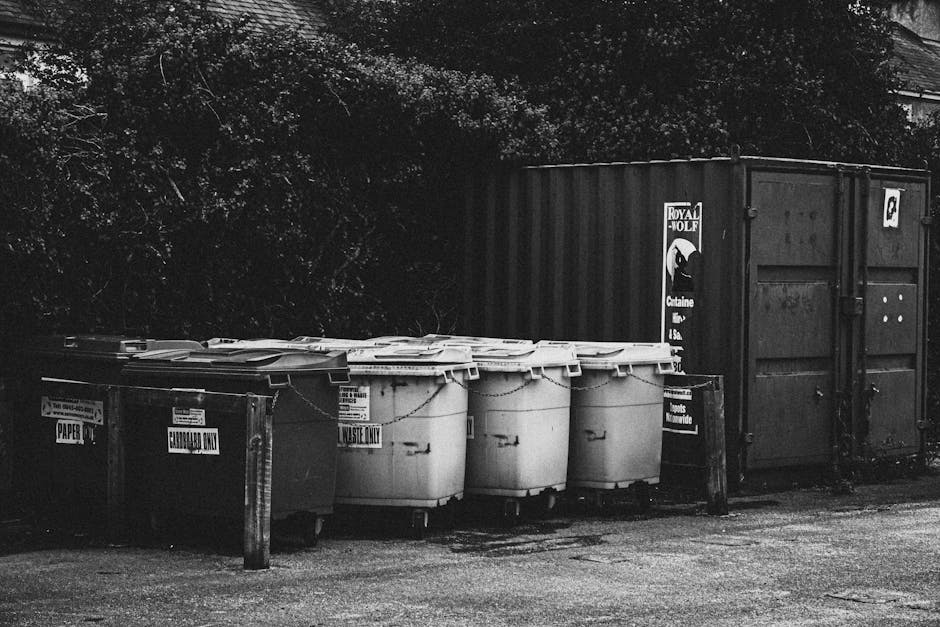
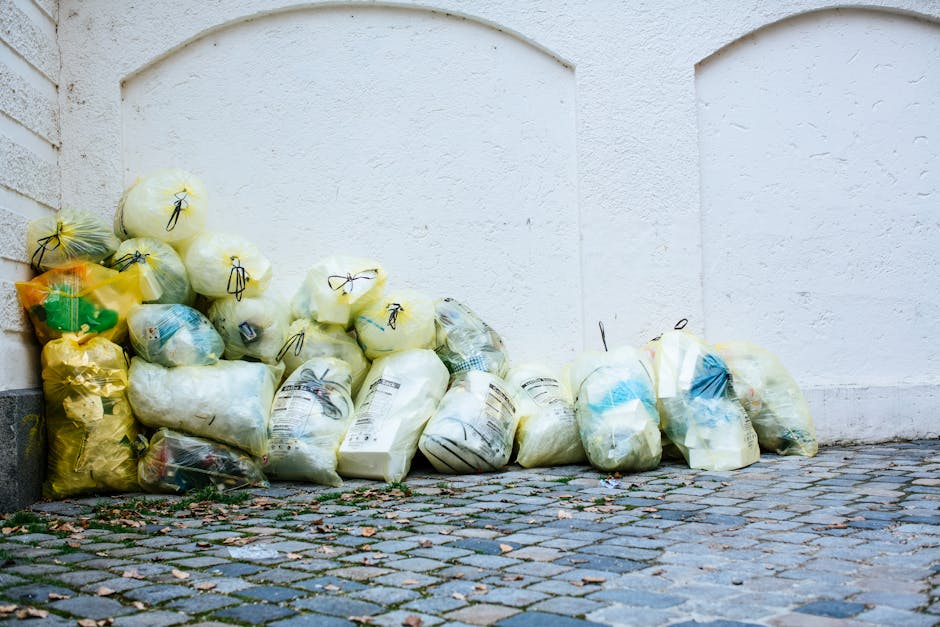
Dealing with Bulky Waste Collections in Chelsfield BR6: A Practical Local Guide
If you are dealing with bulky waste collections in Chelsfield BR6, you are probably trying to solve a very ordinary but annoying problem: a sofa that will not fit through the door, a mattress that has outlived its welcome, or a pile of awkward household items that is too much for one bin day. It sounds simple until you start lifting, booking, sorting, and wondering what actually counts as bulky waste. This guide walks you through the process in plain English, with a local Chelsfield perspective and enough practical detail to help you make sensible choices without the faff.
Whether you are clearing a house, downsizing, replacing furniture, or tidying up after a move, the goal is the same: remove large items safely, legally, and without turning your driveway into a mini obstacle course. Let's make it manageable.
Why Dealing with Bulky Waste Collections in Chelsfield BR6 Matters
Bulky waste is one of those things people put off until it becomes impossible to ignore. A broken wardrobe starts leaning in the spare room. An old freezer sits in the garage humming away quietly. A bed frame gets propped against the wall "just for now". Then suddenly the space you live in feels tighter, messier, and harder to use.
In Chelsfield BR6, this matters for a few reasons. First, local properties often have narrow access points, shared drives, or parking that makes large-item removal a bit more complicated than dragging a box to the kerb. Second, bulky items are awkward by nature. They scratch walls, trap fingers, and can be surprisingly heavy even when they do not look it. Third, responsible disposal matters. Bulky waste should not be left to build up, dumped at the edge of the road, or split into piles that nobody wants to deal with later.
There is also the practical side. Clearing bulky items early can make a home easier to clean, easier to sell, easier to rent, and easier to live in. That applies whether you are handling a single item or a full room's worth of old furniture. In a moving context, it can also prevent delays. If you are already planning a relocation, a quick declutter phase can save time and reduce the load on moving day. A useful companion read is decluttering wisely before a move, especially if you are deciding what stays and what goes.
Key point: bulky waste is not just a disposal issue. It is a space, safety, and planning issue too.
How Dealing with Bulky Waste Collections in Chelsfield BR6 Works
At a basic level, bulky waste collection means arranging for large items that do not fit in normal household bins to be removed. That might include furniture, white goods, mattresses, wardrobes, exercise equipment, shelving, or similar household items. The exact accepted list can vary depending on the collection provider, so you should always check the item type before booking.
The process usually follows a few stages. First, you identify what needs removing. Then you separate what can be reused, repaired, sold, donated, or recycled from what is truly ready for collection. After that, you decide how the items should be taken away: a council collection, a private removal service, or a man and van arrangement that includes loading and transport. Each route has different trade-offs in convenience, price, and timing.
For many households, the real challenge is not the booking itself. It is access. A bulky item may need to come down stairs, through a tight hallway, or out via a driveway with limited turning room. If you have ever tried to pivot a sofa around a bannister, you will know the sound of optimism leaving the room very quickly.
That is where proper preparation matters. Measuring doorways, protecting floors, and planning the route out of the property can make the whole job smoother. For heavier items, it helps to read practical lifting advice such as how to lift heavy items without assistance and the broader guidance in smart lifting and movement techniques. They are especially useful if you are moving items yourself before collection.
In real life, the best approach often combines organisation and common sense. For example, if a mattress, a chair, and an old cabinet are all going out, group them by exit route rather than scattering them across the room. Sounds obvious, but on a busy morning it can save a surprising amount of back-and-forth.
Key Benefits and Practical Advantages
There is more to bulky waste collection than simply getting rid of clutter. Done well, it solves several problems at once.
- Safer living space: fewer trip hazards, fewer unstable stacks, and less chance of damaging your walls or floors.
- More usable room: spare bedrooms, garages, lofts, and hallways become useful again.
- Cleaner handover: especially helpful before a sale, tenancy change, or post-move clean-up.
- Less stress: one booked removal is easier than several improvised attempts over different weekends.
- Better environmental outcomes: reusable items can be diverted from disposal where appropriate, and recyclable materials can be separated.
- Lower injury risk: if large items are moved with the right technique and equipment, the chance of strain drops significantly.
Another overlooked benefit is momentum. Once bulky waste starts going, the whole property often feels lighter. People notice it almost immediately. The room smells less stale, the floor is visible again, and the next task feels easier. That small psychological lift matters more than people expect, to be fair.
If your bulky items are part of a wider home change, you may also find it useful to review tips for a calmer, less stressful move and pre-move cleaning advice. These pages help frame bulky waste as part of an orderly transition, not a last-minute panic.
Who This Is For and When It Makes Sense
Bulky waste collections are useful for a wide range of people in Chelsfield BR6. If you are nodding along to any of the situations below, you are probably in the right place.
- Homeowners clearing out old furniture after a renovation or redecorating project.
- Tenants moving out who need to remove damaged, unwanted, or outdated items.
- Landlords and letting agents dealing with end-of-tenancy clearance.
- Families downsizing and deciding what truly fits in the next home.
- People replacing white goods like fridges, freezers, or washing machines.
- Anyone with an awkward single item that is too heavy or bulky for normal disposal.
It also makes sense when the item is simply too large for a standard car, too heavy to carry safely, or too awkward to leave until "some other time". That includes sofas, bed bases, wardrobes, dining sets, and pianos in some cases. Pianos are a category of their own, honestly. If yours needs attention, it is worth reading why relocating a piano alone is more complex than it looks and the dedicated piano removals Chelsfield page for a clearer picture of the handling involved.
For bulky items tied to moving house, there is often a smarter path than pure disposal. A sofa may need storage rather than removal. A bed may need dismantling and re-use. A freezer might be kept temporarily rather than scrapped. In that kind of situation, the pages on safe sofa storage and keeping an unused freezer in good condition can help you decide whether collection is the best first step or just one part of a larger plan.
Step-by-Step Guidance
Here is a practical route through the whole process. Not fancy. Just workable.
- Make a full item list. Write down every bulky item and note whether it is reusable, recyclable, damaged, or simply unwanted.
- Check access. Look at the route from room to exit. Measure awkward doorways, hall steps, tight turns, and any parking restrictions.
- Separate by category. Keep wood, metal, electrical items, and textiles apart if that helps with sorting. It is not always essential, but it can make collection or recycling easier.
- Remove loose contents. Empty drawers, shelves, or freezer compartments. Nobody wants a sofa that secretly contains old batteries and half a packet of screws.
- Dismantle where sensible. Beds, wardrobes, and flat-pack furniture often become much easier to move once taken apart. If you need more practical help, see important considerations for moving a bed and mattress.
- Protect the property. Use blankets, cardboard, or floor coverings in tight areas so you do not scrape woodwork or mark the hallway.
- Choose the right removal method. Decide whether you need a single-item pickup, a larger load removal, or a flexible service that includes loading.
- Book with clear instructions. Say what the item is, where it is located, and whether there are stairs, parking issues, or access limitations.
- Prepare on the day. Move items close to the exit if safe to do so, keep pets and children clear, and make sure the route is open.
- Inspect the area afterwards. Check for screws, nails, glass, or anything left behind. This little step prevents future headaches.
If you are handling furniture as part of a house move, the main removals pages can give useful context too: furniture removals in Chelsfield, removals in Chelsfield, and man with a van in Chelsfield are all relevant depending on the amount and type of load.
Expert Tips for Better Results
These are the kinds of little things that make the whole job feel calmer and cleaner.
1. Start with the bulkiest item first
People often leave the hardest piece until last, which is usually backwards. If a large wardrobe has to come out, deal with that before smaller items clutter the route. Once the awkward thing is gone, everything else becomes easier.
2. Think about weight distribution, not just size
A small item can still be brutally heavy. A cast-iron radiator, a compact chest of drawers, or a stone planter can surprise you. If the item has dense weight concentrated in one side, get help or use proper equipment. The advice in safe solo lifting techniques is well worth a look before you improvise.
3. Keep a clear middle corridor
When you are removing several items, one central path through the property saves endless shuffling. It is a small planning habit, but it makes a large difference in narrow hallways and older homes.
4. Use the collection as a decluttering trigger
Once one large item is going, ask whether anything else is only being kept out of habit. You do not need to throw everything away. But if an item has not been used in years and is taking up prime space, it may be doing more harm than good.
5. Do not underestimate mattresses and sofas
They look harmless. Then you try to bend them through a stairwell. Sofas can be awkward because of their bulk and soft shape, while mattresses catch on corners and doors. For storage or transport planning, the sofa storage guide and mattress moving guide mentioned earlier are genuinely useful.
A small but useful rule: if you are sweating before the item has even reached the doorway, stop and rethink the method. That is usually your body giving you a polite warning. Listen to it.
Common Mistakes to Avoid
Most bulky waste problems come from a handful of avoidable errors.
- Leaving everything to the last minute. That turns a manageable job into a rushed one with poor decisions.
- Guessing the dimensions. "It should fit" is not a plan. Measure first.
- Ignoring access and parking. In Chelsfield, a van may need a bit of thought before it arrives. If you are moving near tighter roads or shared approaches, the local advice on avoiding parking clashes on narrow lanes is worth reading.
- Trying to carry unsafe loads alone. Back strain and dropped items are common when pride gets involved.
- Mixing waste types without checking. Some items may need separate handling, especially electrical goods or anything with fluids inside.
- Forgetting to empty items. A wardrobe with full drawers is not just heavier, it is less stable.
- Using a vehicle too small for the load. That creates extra trips and more handling.
There is also a less obvious mistake: not thinking about the next destination of the item. If it can be reused, sold, repaired, or stored, disposal may be premature. This is where a little planning saves money and waste. Not glamorous, but sensible.
Tools, Resources and Recommendations
You do not need a garage full of specialist kit to deal with bulky waste properly, but a few simple tools make life easier.
- Measuring tape: for checking doorways, stair turns, and furniture dimensions.
- Work gloves: to improve grip and reduce cuts or splinters.
- Furniture blankets or thick covers: useful for protecting walls, bannisters, and item surfaces.
- Dolly or sack truck: ideal for heavier items if the path is suitable.
- Screwdriver or hex keys: handy for dismantling beds, wardrobes, and tables.
- Heavy-duty bags and tape: for loose contents, cushions, cables, and accessories.
- Head torch or good lighting: useful in lofts, garages, and dim hallways.
For related planning support, the site's services overview is a good place to understand the wider removal and clearance options, while packing and boxes in Chelsfield can help if your bulky item removal is part of a larger move. If you need temporary overflow space during a clear-out, storage in Chelsfield may also be worth considering.
Practical recommendation: if the bulky item is only partly damaged, ask yourself whether it is actually disposal-ready or just inconvenient. A little repair work can sometimes save a lot of money and reduce waste.
Law, Compliance, Standards, or Best Practice
Bulky waste collection is not just about convenience; it is also about responsible handling. In the UK, waste should be disposed of through legitimate channels, and anyone removing waste on your behalf should do so carefully and appropriately. You do not need a legal lecture to understand the basic point: avoid fly-tipping, avoid unverified disposal arrangements, and keep a record of what was taken away if you are using a third party.
Best practice usually includes clear description of the items, honest disclosure about weight, size, and access, and safe handling during loading and transport. If an item contains electrical parts, refrigerants, fluids, or sharp components, it should be treated with added caution. White goods, in particular, deserve respect; they are heavy, awkward, and often contain hidden hazards.
Good providers also take safety seriously. That might mean using the right lifting technique, wearing suitable footwear, handling items in pairs when needed, and avoiding damage to property. If a company says they are safety-focused, you should expect practical habits, not just reassuring words. A sensible point of reference is the health and safety policy, which signals the sort of care that should underpin any proper move or clearance.
There is also a sustainability angle. Where possible, items should be reused or recycled rather than simply discarded. The page on recycling and sustainability is a useful reminder that good disposal is often about choosing the least wasteful option, not just the quickest one.
Finally, if you are comparing providers, make sure their terms, insurance approach, payment handling, and complaints process are easy to understand. Those basics matter. They are not exciting, but they are the difference between a smooth job and a messy one.
Options, Methods, or Comparison Table
Not every bulky waste job needs the same solution. Here is a simple comparison to help you choose the most sensible route.
| Option | Best for | Advantages | Watch out for |
|---|---|---|---|
| Single-item collection | One sofa, mattress, freezer, or similar item | Quick, simple, often cost-effective | May not suit awkward access or multiple items |
| Bulk load removal | Several large items at once | Reduces repeated handling and multiple bookings | Needs better planning and accurate item list |
| Man and van assistance | Items that need loading help and flexible transport | Useful for homes with stairs or narrow access | Check what loading support is included |
| Storage-first approach | Items you are not ready to dispose of yet | Keeps options open during a move or renovation | Still requires good labelling and organisation |
| Declutter and recycle | Mixed household clear-outs | Can reduce waste and improve efficiency | Needs sorting time and a practical plan |
If you are already in moving mode, the right choice may not be disposal at all. A sturdy sofa might be worth storing; a bed base may be worth dismantling and keeping; an office chair might simply need collection as part of a larger office clear-out. For businesses, the office removals Chelsfield page may be more relevant than a one-off household solution.
Case Study or Real-World Example
Here is a realistic scenario from the kind of job people often face, without dressing it up.
A family in Chelsfield BR6 was preparing to move from a three-bedroom house. They had an old corner sofa, a mattress, a broken chest freezer, and a heavy dining table that they no longer wanted in the new property. At first they planned to "just sort it later", which is a very human plan and also a dangerous one. By the final week, the items were blocking the hallway and making cleaning awkward.
Instead of trying to handle everything in one desperate afternoon, they split the work into stages. First they measured the large items and checked the exit route. Then they dismantled the table, removed the contents of the freezer, and cleared a path through the house. They used blankets to protect the walls and asked for help with the sofa because the turning point in the hallway was tighter than expected.
The result was not dramatic. No heroic montage. Just a calmer moving day, less damage risk, and fewer things left behind. The biggest surprise, they said, was how much better the house felt once the bulky items had gone. Cleaner, lighter, easier to navigate. That is usually the pattern.
If you are dealing with a similar move near local pinch points, these route-focused guides are useful: moving house near Chelsfield Station, best van routes in Chelsfield Village, and estate move access tips. They are especially helpful where van access and timing need a bit of thought.
Practical Checklist
Use this as a quick pre-collection or pre-clearance check. Simple, but effective.
- List every bulky item that needs to go.
- Measure doorways, stairs, and any tight corners.
- Decide what can be reused, stored, sold, or recycled.
- Empty drawers, cabinets, and appliance compartments.
- Dismantle furniture where possible.
- Protect flooring and wall edges.
- Keep a clear path to the exit.
- Confirm parking and access arrangements.
- Use gloves and suitable footwear.
- Arrange help for items that are too heavy or awkward.
- Keep children and pets away from the work area.
- Check the space afterwards for screws, nails, or debris.
- Keep paperwork or booking details in case you need them later.
Expert summary: the smoother bulky waste collections in Chelsfield BR6 usually come down to three things: accurate planning, safe handling, and choosing the right removal method for the load. Get those three right, and the rest is much less painful.
Conclusion
Dealing with bulky waste collections in Chelsfield BR6 is rarely just a disposal task. It is part decluttering, part logistics, part safety planning. When you treat it that way, the whole job becomes easier to manage. You reduce clutter, protect your property, and avoid the sort of last-minute scrambles that make a simple clear-out feel oddly exhausting.
The best approach is usually the calm one. Measure first, lift carefully, choose the right collection option, and do not be shy about asking for proper help where needed. That applies to a single awkward sofa as much as a full room of unwanted furniture. And if you are in the middle of a move, a renovation, or a big life change, getting the bulky items sorted early can give the rest of the process a bit of breathing room. That breathing room counts.
For many households, the smartest next step is to pair bulky item removal with a broader moving or decluttering plan. If that sounds like you, start with the practical pages already mentioned and build from there. It does not need to be complicated.
Get a free quote today and see how much you can save.
Frequently Asked Questions
What counts as bulky waste in Chelsfield BR6?
Bulky waste usually means large household items that will not fit into standard bins, such as sofas, beds, wardrobes, mattresses, tables, white goods, and similar awkward items. Exact accepted items can vary, so it is best to check before booking.
Can I leave bulky waste on the pavement?
Not without making sure the collection arrangement and local rules allow it. Leaving items out unsafely can create obstruction, nuisance, or disposal problems. It is always better to confirm the correct method first.
Is it better to book a bulky waste collection or use a man and van service?
It depends on the load. A single item may suit a simple collection, while several heavy or awkward pieces often work better with loading help and a flexible removal service. If access is tight, support can make a big difference.
What should I do with a sofa I am not ready to throw away?
If it is still usable, consider storage or a temporary holding plan rather than disposal. The sofa storage advice on the site is useful if you are unsure whether it should go now or later.
How do I prepare a mattress for collection?
Keep it dry, clear of loose bedding, and easy to access. If possible, move it near the exit safely and protect it from dirt or damage while waiting. Mattresses are awkward, so a bit of planning helps.
Are heavy items safe to move by myself?
Sometimes, but not always. If the item is large, unstable, dense, or needs to be carried down stairs, it is usually safer to get help or use proper equipment. A rushed lift is where most problems begin.
Can bulky items be recycled?
Some can, depending on the material and condition. Wood, metal, textiles, and certain electrical items may have recycling potential. The best route is to separate what can be reused or recycled before collection.
How far in advance should I arrange bulky waste removal?
As early as you can, especially if you need access help, parking space, or removal tied to a moving date. If you leave it too late, the job becomes harder and less flexible.
What if my bulky waste includes electrical appliances?
White goods and electrical items need extra care because they can contain wiring, refrigerants, or other components that should not be treated like ordinary rubbish. Mention them clearly when arranging collection.
Do I need to dismantle furniture before collection?
Not always, but it often helps. Beds, wardrobes, and tables are usually easier and safer to remove in smaller pieces if the item allows it. Dismantling also reduces the risk of damaging walls and stairways.
What is the biggest mistake people make with bulky waste?
Leaving it until the very last minute. That usually leads to poor lifting choices, blocked hallways, and rushed decisions about what to keep or remove. A little planning prevents a lot of mess.
Can bulky waste collection be part of a house move?
Absolutely. In fact, it often works best that way. Clearing unwanted items before the move makes packing easier and can reduce the amount you need to transport. If you are moving locally, the Chelsfield-specific moving guides can be a useful extra layer of planning.